
Hair loss is a common problem experienced by people of all ages, regardless of gender. Although hair loss can occur due to genetics, environmental factors, lifestyle changes, and many other reasons, it can sometimes be slowed down with therapies such as medication and PRP. However, the most effective long-term solution is hair transplantation.
We have examined the most common types and details of hair loss in men and women.
Contents
Male Pattern Hair Loss (Androgenetic Alopecia)
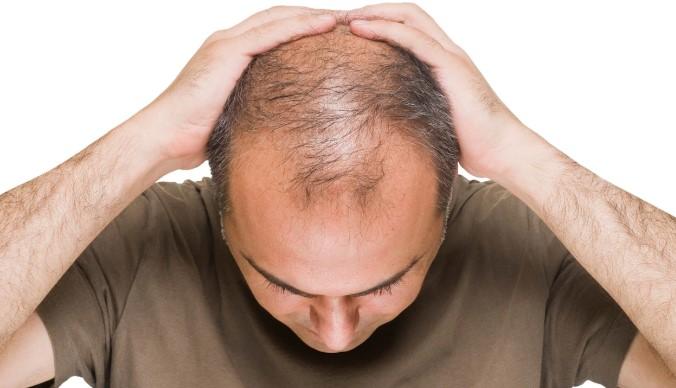
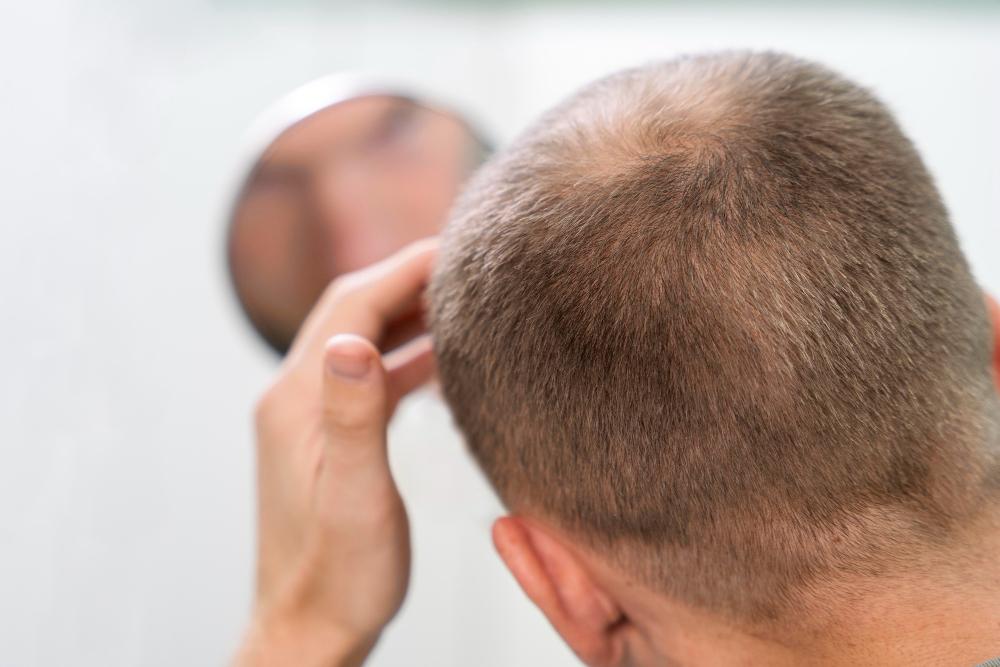
This is the most common type of hair loss in men, and it can occur at any age. Male pattern hair loss, which is a prevalent issue, accounts for 50% to 70% of the hair loss problems observed in men.
It is commonly understood that male pattern hair loss is typically caused by genetic factors. It is typical for hair loss that begins at the temples to progress to baldness in the crown and crown area over time.
Female Pattern Hair Loss (Androgenetic Alopecia)
As with men, hair loss is a common problem for women. This condition, which occurs for the same reasons and types as male pattern hair loss, can be more easily observed in women.
Female pattern hair loss is characterized by thinning and weakening of the hair follicles. In some cases, the condition may progress to the point where two-thirds of the hair on the front of the head is lost.
Temporary Hair Loss
Another common type of hair loss is temporary hair loss, in which hair is regained over time. Temporary hair loss, which can be attributed to a multitude of factors, typically reverses within a week after the underlying causes are addressed. There are numerous potential causes of temporary hair loss, including medication, stress, and lifestyle changes.
Primary Cicatricial (Scarring) Alopecia
Primary cicatricial alopecia is a form of hair loss that occurs when hair follicles are damaged by inflammation. Consequently, permanent and irreversible baldness may result. Although it is not a common type of hair loss, it is recommended that it be treated promptly and that the causes of inflammation be eliminated.
Lichen Planopilaris (LPP)
This type of hair loss is characterized by one or more oval openings, particularly on the sides and back of the head. There is currently no pharmaceutical treatment for this type of hair loss, which presents with symptoms including itching, burning, and sensitivity in the areas of hair loss. If not treated promptly, Lichen Planopilaris type hair loss can spread to other areas of the scalp, potentially leading to permanent hair loss.
Frontal Fibrosing Alopecia (FFA)
Frontal Fibrosing Alopecia (FFA) is a recently identified form of hair loss that has been observed to be rapidly spreading. Although the causes are not yet fully understood, it is believed that sunscreens, skin care products, shampoos and similar cosmetic products may be the cause of this type of hair loss.
FFA type hair loss is characterized by a gradual thinning of eyebrows, eyelashes and hair, which is then followed by hair loss. This type of hair loss may be resolved by discontinuing the use of cosmetic products in some cases. However, in others, additional treatments may be necessary.
Central Centrifugal Cicatricial Alopecia (CCCA)
Central centrifugal cicatricial alopecia (CCCA) is a specific type of hair loss that occurs in individuals of African origin. It is characterized by hair loss in the midline of the crown area, which leaves scars. CCCA type hair loss, previously believed to be caused by hairstyles from the past, is now thought to be a genetic disorder. Recent research over the past decade has indicated that genetic factors may be a contributing factor.
Folliculitis Decalvans
Folliculitis Decalvans is a common form of hair loss that can result from infection, bacterial organisms, or other causes. This type of hair loss, which is typically observed in young men, can affect individuals of any age and gender. This type of hair loss can be seen on any area of the scalp.
Diskoid Lupus Eritematozus (DLE)
Discoid lupus erythematosus (DLE) is a condition that presents with hair loss, which may be accompanied by itching and infections. These infections and lesions may appear on the face, ears, inside the mouth, and various parts of the scalp. Although this condition, which can sometimes be seen as chronic and recurrent, can be treated with topical applications in the early period, it can sometimes result in permanent baldness.