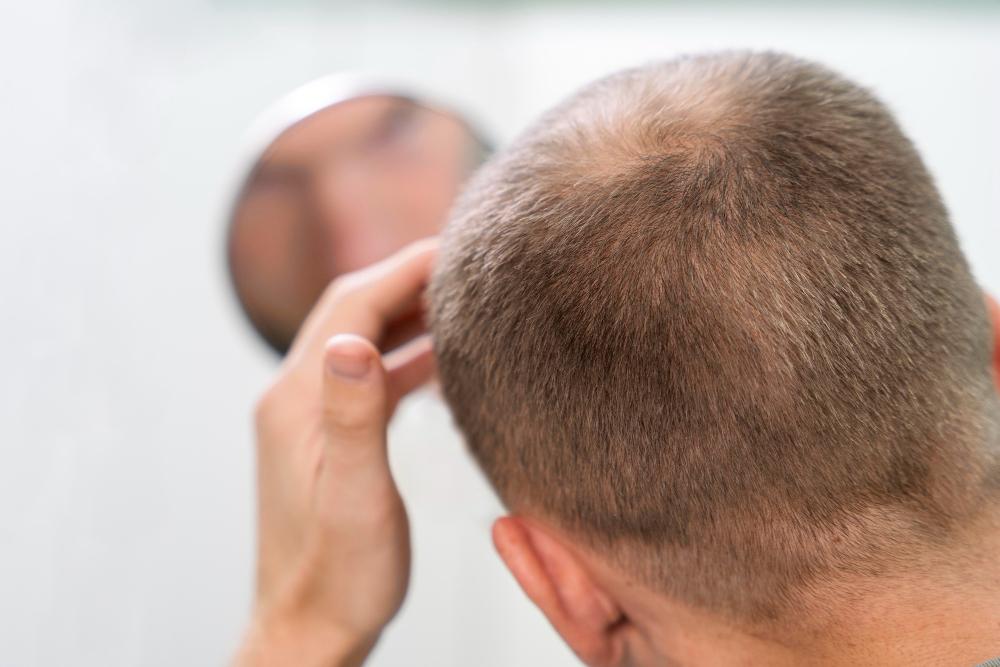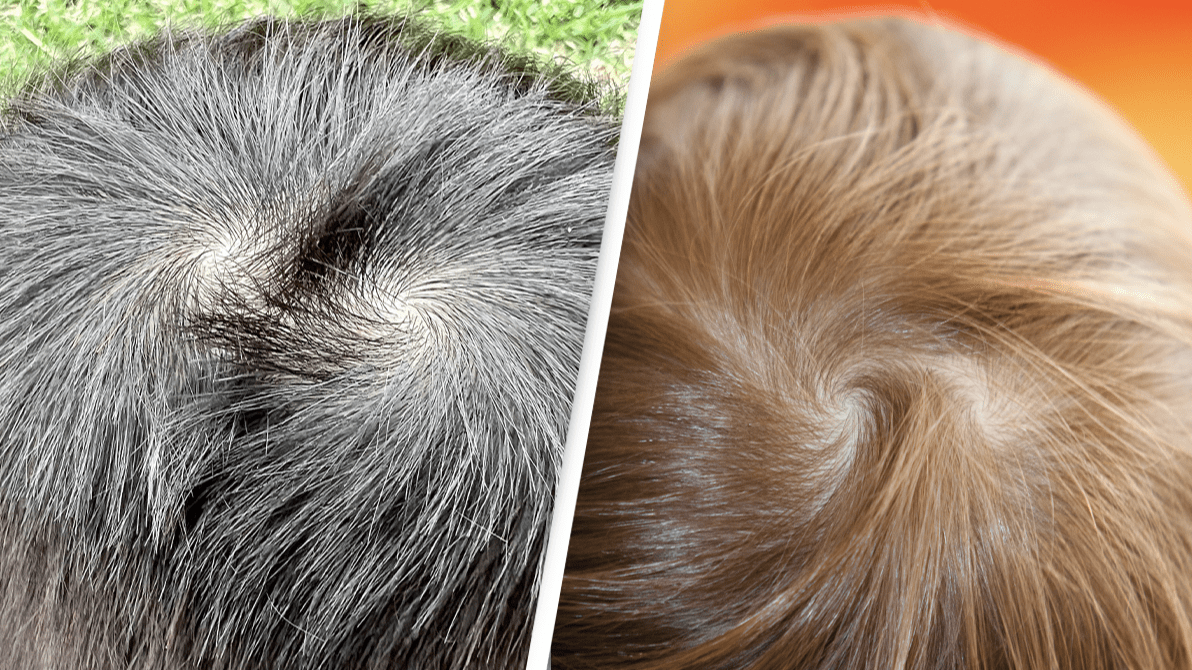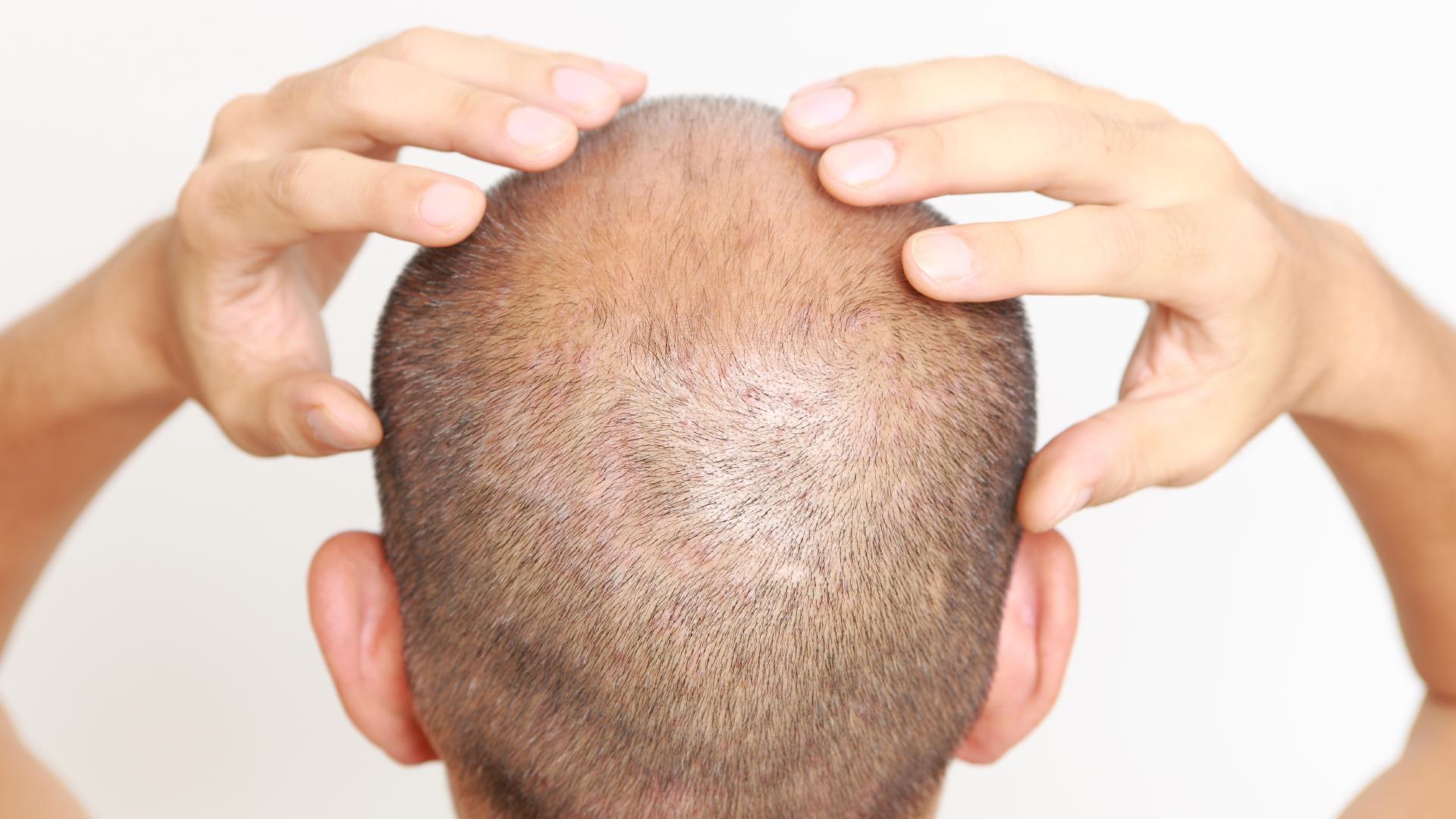

Hair loss is not only a concern for men, but many women also experience this problem. Unlike men, female hair loss often presents with a general thinning of the entire scalp. This can be caused by many factors, including genetics, stress or hormones.
Contents
What Causes Hair Loss in Women?
Finding the reason for female hair loss is the first step of treatment. There are several common reasons for female hair loss;
- Androgenic alopecia (female pattern hair loss): Affecting up to 50% of women by menopause, this is the most common cause of hair loss in women. This is linked to heredity and sensitivity to androgens.
- Telogen effluvium: This temporary loss occurs due to a disruption in the hair growth cycle. Telogen effluvium can be triggered by stress, illness, childbirth, nutritional deficiencies, and certain medications.
- Thyroid problems: Hair growth can be disrupted and thinning caused by an overactive or underactive thyroid gland.
- Nutritional deficiencies: Lack of iron, vitamin D, biotin, and other essential nutrients can affect hair health and cause hair loss.
Of course, there are many other reasons for female hair loss. It is always recommended to consult with a professional to determine the causes.
Best Hair Loss Treatment Options for Female Hair Loss
Hair loss patterns are unique to each individual. If you are looking for an effective solution to your problem, you should always contact a professional hair loss specialist to get the best treatment.
We have listed the most common hair loss treatments for women.
Medications
In some cases, hair loss can be prevented by using certain medications. If the reasons for hair loss are caused by external factors, topical applications may be successful in treating your hair loss. However, it is important to remember that there are no medications for most types of hair loss.
Hormone Therapy
Hormone replacement therapy (HRT) may be recommended when hair loss is associated with hormonal changes such as menopause or polycystic ovary syndrome (PCOS). HRT can help regulate hormone levels and possibly improve hair growth.
Especially if you experience sudden and unexpected hair loss after pregnancy or childbirth, you should consider asking your doctor about HRT.
Changes in Lifestyle
Although lifestyle changes are not a direct treatment for hair loss, they can be very helpful in stopping hair loss or even promoting hair regrowth.
It is always recommended to eat a balanced diet rich in nutrients such as protein, iron, vitamin D and especially biotin.
If you experience a lot of stress in your daily life, you should consider making changes or using stress-relieving techniques such as yoga and meditation. It is also important to get enough sleep, which is essential for hair growth.
Best Hair Loss Treatment for Women: Hair Transplantation
No matter how severe your hair loss is, hair transplantation is known as one of the best solutions for hair loss.
Hair transplant for women is known as a permanent solution for any case. Thanks to advanced methods such as FUE and DHI, you can easily get your hair back with natural looking, permanent results.
However, in some cases, hair transplantation may not be the right solution for you. That is why it is important to have a consultation with a proper, experienced and qualified hair transplant clinic.
During the consultation, your doctor will determine the causes of your hair loss and provide you with the best and necessary treatments. Most of the reputable clinics offer a free initial consultation via video or phone.