
While doing research on hair transplantation, it is possible to encounter many foreign terms. In this glossary, we have explained the most commonly used terms and words related to hair transplant surgery.
- Alopecia: The medical term for baldness.
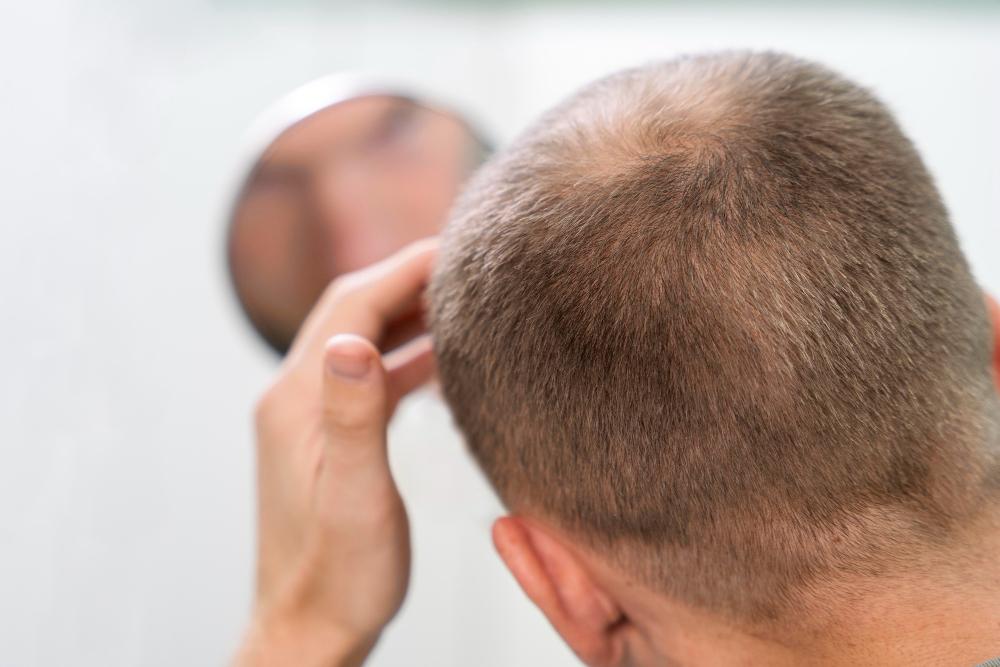
- Vertex Area: This is the name given to the area on the top/back of the head where hair growth is seen in the form of a swirl or spiral. This area, also called the vertex, is known as the first area where male pattern baldness is noticed.
- Donor Area: This is the area above the ear and at the back of the head that contains hair follicles that are genetically intact and will continue to grow for a lifetime. Although the donor area can vary from person to person, it always consists of these areas except rare cases.
- Follicular unit: A follicular unit is a naturally occurring group of one, two, or three (and rarely four) hair follicles on the scalp. The average follicular unit contains approximately 2.5 hair roots.
- Follicle: A hair follicle is a hair strand and root that is removed from the donor area and transplanted to the recipient area during the hair transplant procedure.
- Graft: This is the name given to the hair follicles that have been removed from the donor area and are ready to be transplanted to the recipient area of the scalp. The number of hair follicles per graft varies greatly depending on the hair transplant technique used. A graft may contain a single hair follicle or follicular unit, multiple follicular units, or even 20 and more follicles. The number of follicles in each graft varies depending on the method used, the experience and skill of the doctor performing the procedure and the hair health of the person.
- The recipient area: It is the name given to the area where hair loss occurs and to which hair follicles will be transferred during the hair transplantation process.
- Follicular Unit Excision (FUE): During the FUE hair transplant procedure, hair follicles are removed from the donor area with a special tool and transported to the recipient area for transplantation. FUE, also known as the most advanced and modern type of hair transplant, is one of the most widely used methods. The FUE technique allows the hair follicles to be directly planted to the recipient area.
- Male Pattern Baldness: This is a condition usually hereditary, caused by the hormone dihydrotestosterone in men, which results the hair follicles to gradually weaken, shrink and eventually fall out. After puberty, this condition can be seen on any stage of an individual’s life, starting with receding hairline and thinning at the crown, eventually leading to complete, permanent baldness at the top of the scalp. The sides and back of the scalp are typically not affected by male pattern baldness. Male pattern baldness is an issue that has no cure and can only be solved by hair transplantation.
- Temporal Area: This is the name given to the top two outer corners where the forehead meets the hairline. This area is usually the first area where male pattern baldness is seen.