
Frontal Fibrotic Alopecia, also known as FFA, is a type of scarring alopecia that is commonly seen in women. This condition causes gradual receding of the hairline, usually accompanied by inflammation and itching.
FFA is known as an autoimmune disorder, which means that the body’s immune system mistakenly attacks its own hair follicles.
Contents
What are the Symptoms of Frontal Fibrotic Alopecia?
The symptoms of FFA are usually very clear and easy to understand.
- Receding hairline
- Thinning eyebrows
- Scaling and redness
- Itching
Diagnosis of this condition can be made by a dermatologist based on a thorough medical and physical examination.
What are the Causes of Frontal Fibrotic Alopecia?
Frontal Fibrotic Alopecia is believed to be an autoimmune disease, but the exact cause of this disease is unknown. Some of the researches show that hormonal fluctuations play a role on it. Along with that, many of the recent researches show that genetic factors play a significant role on this disease.
Treatment Options for Frontal Fibrotic Alopecia
There are several treatment options for FFA;
- Medication: Topical applications such as minoxidil, corticosteroids, and several different medications may be prescribed.
- Topical applications: Natural remedies, topical creams or lotions may help stimulate hair growth.
- Surgical procedures: In some cases, procedures such as flap or tissue expansion may be considered. However, these types of procedures are very rare.
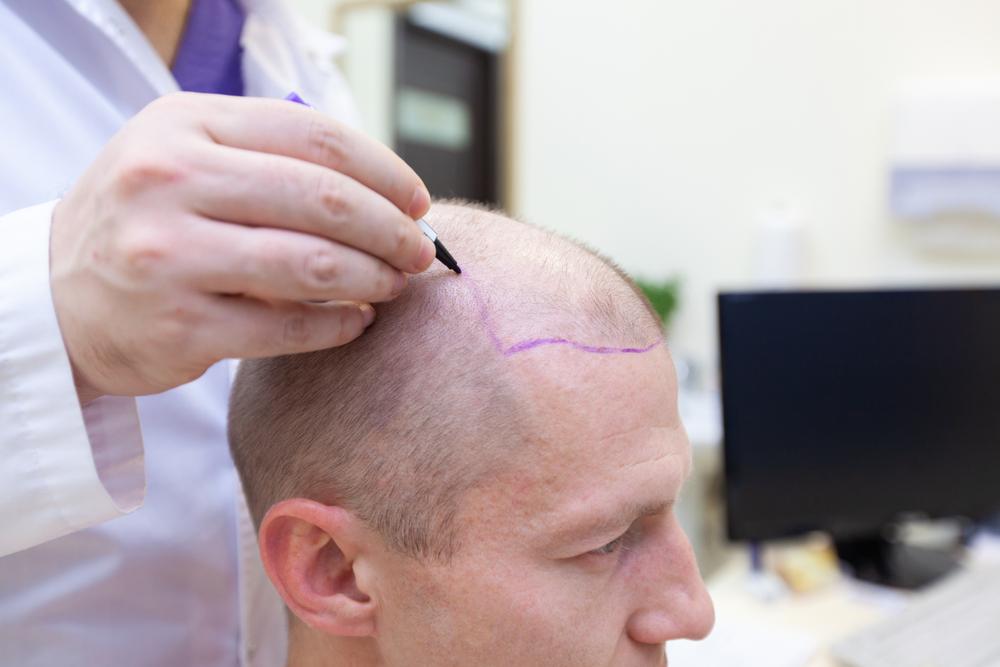
- Hair transplantation: Hair transplantation may be used to treat FFA. However, due to the nature of the disease, it is recommended to make sure that the disease is stable before considering this option. In some cases, it may be necessary to wait a few years after the disease has completely healed, but for some people, a shorter waiting period is required. It is always recommended that you seek professional advice to determine whether or not you are a suitable candidate.